

Can I use a Duck Light in a workshop?
Can I use a Duck Light in a workshop?
As a supplier of Duck Lights, I often get asked whether these charming lights can be used in a workshop setting. It's a valid question, considering the distinct characteristics of a workshop environment and the primary intended use of Duck Lights. In this blog, I'll delve into the various aspects of using a Duck Light in a workshop, weighing the pros and cons to help you make an informed decision.
What are Duck Lights?
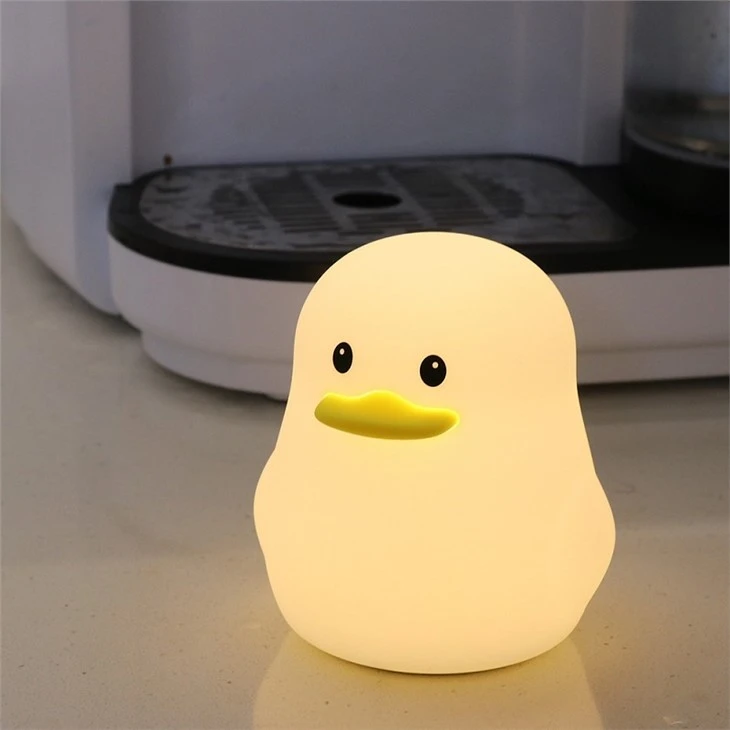
Before we discuss their suitability for a workshop, let's briefly understand what Duck Lights are. Duck Lights are a type of novelty lighting that typically feature a duck-shaped design. They come in various forms, such as Duck Led Lights, which use energy - efficient LED technology. These lights are often marketed as Soothing Night Light, designed to create a soft, calming glow, usually for use in bedrooms, nurseries, or other relaxation areas.
Advantages of Using a Duck Light in a Workshop
Aesthetic Appeal
One of the most obvious benefits of using a Duck Light in a workshop is its aesthetic value. Workshops can sometimes be dull and utilitarian spaces. A Duck Light can add a touch of whimsy and personality to the otherwise mundane environment. It can create a more pleasant and inviting atmosphere, which might even boost your mood and creativity while working on projects.
Soft Lighting for Break Areas
If your workshop has a small break area or a corner where you take short pauses, a Duck Light can provide a soft and soothing light. After focusing on detailed work under bright, task - oriented lighting, the gentle glow of a Duck Light can help you relax your eyes and unwind for a few minutes.
Low - Energy Consumption
Many Duck Lights, especially those with LED technology, are energy - efficient. They consume less power compared to traditional workshop lighting options. This can lead to cost savings on your electricity bill over time, especially if you use the light for extended periods.

Disadvantages of Using a Duck Light in a Workshop
Insufficient Illumination for Work Tasks
The primary function of a workshop is to carry out various tasks, such as woodworking, metalworking, or electronics assembly. These tasks often require bright, focused lighting to ensure precision and safety. Duck Lights are generally designed to emit soft, ambient light, which is not sufficient for detailed work. The light may be too dim, and the spread may not cover the entire work area adequately. For example, when cutting wood or soldering electronic components, you need a high - intensity light source to clearly see what you're doing.
Durability Concerns
Workshops can be rough environments with tools being moved around, and there's a risk of accidental knocks and bumps. Duck Lights are often designed with a more decorative and delicate appearance. They may not be as durable as traditional workshop lighting fixtures, which are built to withstand the rigors of a workshop setting. A simple collision with a tool or a piece of equipment could damage the Duck Light.
Lack of Adjustable Lighting
Most workshop tasks require adjustable lighting to direct the light exactly where it's needed. Duck Lights usually have a fixed light direction and may not offer the flexibility to adjust the angle or intensity of the light. This lack of adjustability can be a significant drawback when working on complex projects that require different lighting setups.
Considerations for Using a Duck Light in a Workshop
If you still want to use a Duck Light in your workshop, here are some considerations:
Supplementary Lighting
Use the Duck Light as supplementary lighting rather than the primary source. Install it in combination with high - intensity task lights. For example, you can place a Duck Light in a corner of the workshop to add a decorative touch, while having overhead fluorescent lights or adjustable LED work lights for your actual work.
Mounting and Placement
Choose a safe and secure location for the Duck Light. Mount it in an area where it's less likely to be knocked over or damaged. You can use wall - mounted Duck Lights or place them on a stable shelf away from the main work area.
Conclusion
In conclusion, while a Duck Light may not be the most practical choice as the sole lighting source in a workshop, it can still have a place in the space under the right circumstances. Its aesthetic appeal and low - energy consumption make it an interesting addition, especially for creating a more inviting atmosphere. However, for the actual work tasks, you'll need to rely on more powerful and adjustable lighting solutions.
If you're interested in adding a Duck Light to your workshop or have any questions about our Duck Light products, feel free to reach out to us. We're here to assist you with your lighting needs and can provide more information on the different models and features available. Whether you're looking for a touch of whimsy or a cost - effective lighting option, we have a solution for you.
References
- General knowledge about workshop lighting requirements.
- Product specifications of Duck Lights provided by the manufacturing process.