

How bright should a bed night light be?
When it comes to creating a cozy and safe sleeping environment, a bed night light can be a game-changer. But here's the burning question: How bright should a bed night light be? As a supplier of Bed Night Lights, I've had my fair share of discussions with customers about this very topic. So, let's dive in and explore the ins and outs of the ideal brightness for these handy little lights.
The Importance of the Right Brightness
First off, why does the brightness of a bed night light even matter? Well, it's all about finding that sweet spot between providing enough light to navigate safely in the dark and not being so bright that it disrupts your sleep. You don't want to be blinded when you wake up in the middle of the night, but you also don't want to stumble around in complete darkness.
For kids, especially those in nurseries, the right brightness is crucial. A Nursery Touch Lamp can offer a gentle glow that helps soothe them to sleep and provides a sense of security. It's like a little night-time friend that's always there.
Factors to Consider
There are several factors that come into play when determining the ideal brightness for a bed night light. Let's take a look at some of them.
Sleep Quality
Our bodies are wired to associate darkness with sleep. Exposure to bright light at night can suppress the production of melatonin, a hormone that regulates our sleep - wake cycle. So, if your night light is too bright, it can mess with your natural sleep patterns. On the other hand, a very dim light might not be sufficient to help you move around safely without tripping over things.
Room Size
The size of the room matters a great deal. In a small bedroom, a lower - brightness night light might be enough to illuminate the path to the door. But in a larger room, you might need a slightly brighter light to cover more ground. For example, a Bed Night Light in a tiny nursery will have a different brightness requirement compared to one in a spacious master bedroom.
Personal Preference
Everyone has their own comfort level when it comes to light. Some people prefer a super - dim, almost imperceptible glow, while others like a bit more light. It's all about what makes you feel at ease in the dark. If you're someone who is easily startled by sudden changes in light, you might lean towards a softer glow.
Measuring Brightness
Brightness is typically measured in lumens. For a bed night light, a good range to aim for is between 5 and 20 lumens. A light with 5 lumens is very dim and can create a subtle, ambient glow. This is great for those who want just a little bit of light to find their way without disturbing their sleep.
On the other hand, a 20 - lumen light is a bit brighter and can be useful in larger rooms or for people who need a bit more illumination. For instance, a Nursery Bedside Lamp with around 15 lumens can provide enough light for a parent to check on a sleeping baby without fully waking them up.
Different Types of Bed Night Lights and Their Ideal Brightness
LED Night Lights
LED night lights are a popular choice because they are energy - efficient and long - lasting. Most LED bed night lights fall within the ideal 5 - 20 lumen range. They can be adjusted to different brightness levels in some models, which is a great feature. You can set it to a lower brightness when you're trying to sleep and increase it a bit if you need to get up.

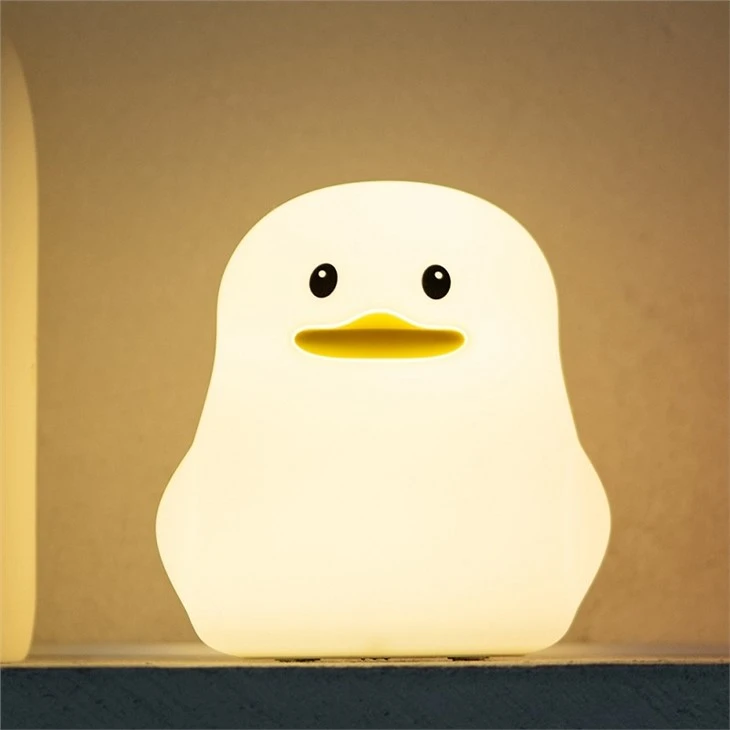
Plug - in Night Lights
These are convenient as they can be easily plugged into an outlet. They usually have a fixed brightness, and most of them are designed to be on the dimmer side, around 5 - 10 lumens. This makes them perfect for hallways or small bedrooms where you just need a bit of guidance in the dark.
Battery - Operated Night Lights
Battery - operated night lights offer more flexibility in terms of placement. You can move them around as needed. Their brightness can vary, but for a bed - side use, it's best to choose one with a brightness in the 5 - 20 lumen range. Some battery - operated lights also come with a timer or a motion sensor, which can be really handy.
Tips for Choosing the Right Brightness
- Test it out: If possible, try the night light in your room before committing to it. See how it looks and feels at different times of the night.
- Look for adjustable brightness: Lights with adjustable brightness give you the flexibility to change the light level according to your needs.
- Consider the color temperature: Along with brightness, the color temperature of the light also affects your sleep. Warm - colored lights (around 2700K - 3000K) are more sleep - friendly than cool - colored lights.
Conclusion
So, how bright should a bed night light be? It really depends on a variety of factors, including sleep quality, room size, and personal preference. Generally, a brightness range of 5 - 20 lumens is a good starting point.
As a Bed Night Light supplier, I understand the importance of getting this right. We offer a wide range of night lights, from Nursery Touch Lamps to Bed Night Lights and Nursery Bedside Lamps, all designed to meet different brightness and style needs.
If you're in the market for a bed night light and want to discuss the best options for your situation, don't hesitate to reach out. We're here to help you create the perfect sleep environment with the right amount of light.
References
- National Sleep Foundation. (2023). The Impact of Light on Sleep.
- American Academy of Sleep Medicine. (2023). Sleep and Light: What You Need to Know.